
Norfolk, UK, February 2025 – A leading UK supermarket chain has successfully partnered with Packaged Organics, part of Packaged Solutions Group, to revolutionise its food waste strategy, transitioning surplus food away from biogas (BIO) processing and into animal feed through a structured, three-phase programme.
The initiative, led by Packaged Organics’ waste management and sustainability experts, focused on delivering measurable environmental and financial impact while building a transparent and traceable compliance framework. The result: a scalable, low-carbon solution that advances the retailer’s environmental goals and drives bottom-line value.
Structured, Data-Driven Approach
The project was executed using a Measure, Analyse, Optimise methodology:
- Measure: Conducted detailed site visits to assess surplus volumes and collection practices, establishing site-specific segregation and compliance procedures.
- Analyse: Reviewed and evaluated data to develop short-, medium-, and long-term strategies focused on carbon reduction and regulatory alignment.
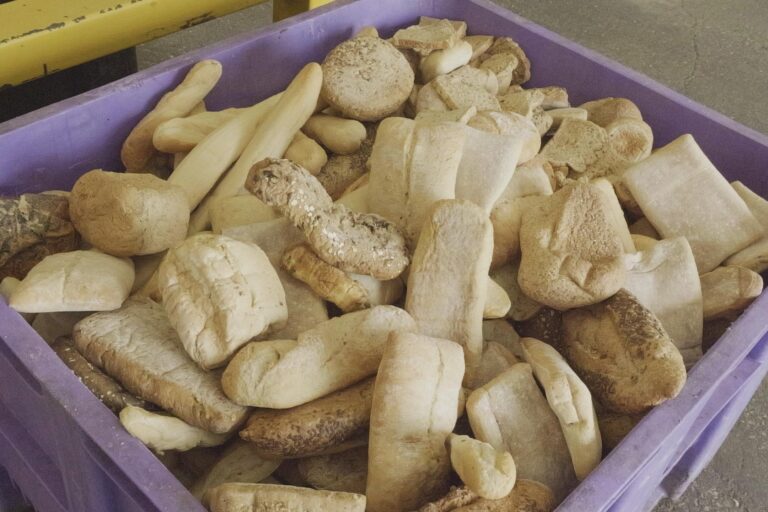
- Optimise: Rolled out in phases across eight sites and three food categories — starting with Bread (Phase 1), followed by Cakes & Confectionery (Phase 2), and concluding with Ambient Foods (Phase 3).
Tangible Outcomes
This strategic shift enabled the supermarket to significantly reduce waste volumes and carbon emissions while increasing returns on surplus food. The project not only delivered strong commercial results but also demonstrated a replicable model for the retail industry.
“Packaged Organics transformed our approach to food waste, helping us reduce waste, achieve financial benefits, and implement a scalable, compliant solution.”
– Sustainability Lead, Major Supermarket Chain
Project Highlights
- Enhanced Corporate Social Responsibility: Reduced carbon impact and improved sustainability performance.
- Significant Financial Rebates: Achieved higher per-tonne rebates through diversion to animal feed.
- Transparent Compliance Framework: Implemented traceable systems ensuring full auditability.
- Scalable Rollout Model: A phased approach enables replication across additional sites and categories.
This collaboration underscores the powerful role of strategic partnerships in meeting both environmental and economic objectives — and sets a new standard in surplus food management for the retail sector.